


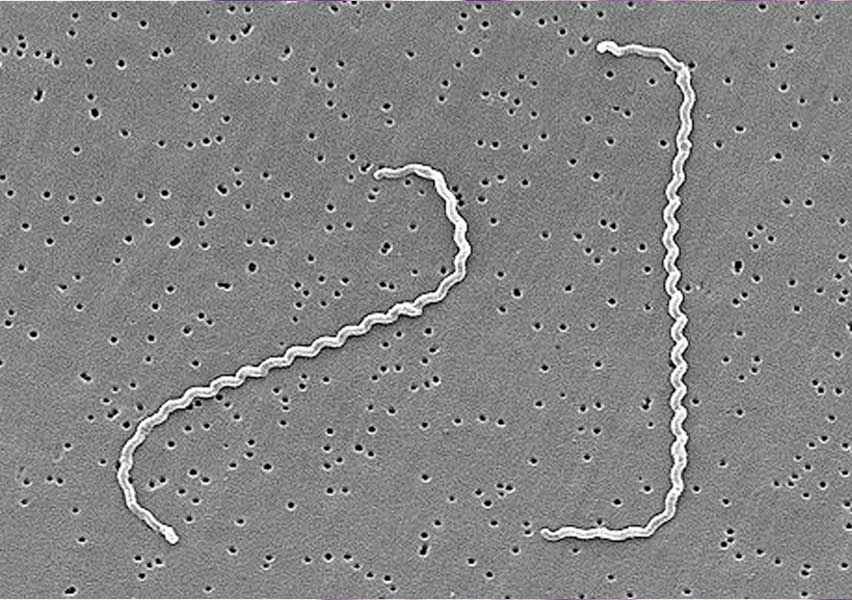
Leptospira is a genus of slender, spiral-shaped spirochete bacteria with hooked ends. They are weakly Gram-negative and require silver stain techniques for visualization. Pathogenic species cause leptospirosis, a globally distributed zoonosis, especially common in warm, humid climates.
Clinical Features
Leptospirosis typically progresses in two phases:
Initial (leptospiremic) phase:
- Sudden fever
- Severe headache
- Muscle pain (notably in calves and lower back)
- Nausea, vomiting, diarrhea
- Dry cough
- Non-purulent conjunctivitis
Immune phase (more severe):
- Jaundice
- Liver and kidney failure (Weil’s disease)
- Pulmonary hemorrhage
- Aseptic meningitis
- Myocarditis
Risk factors: contact with contaminated water/soil (animal urine), exposure during agriculture, recreational water activities, veterinary work, urban rodent exposure.
Diagnosis
Diagnosis includes:
- Serologic testing (MAT or ELISA)
- PCR (early-stage detection)
- Culture (blood, urine)
- Supportive labs:
- CBC (leukocytosis, thrombocytopenia)
- Elevated liver enzymes
- Elevated creatine kinase
- Urinalysis (proteinuria, hematuria)
Treatment
Antibiotic therapy:
- Doxycycline (mild cases)
- Penicillin G or ampicillin (moderate cases)
- Ceftriaxone or azithromycin (alternative options)
Severe cases require:
- Hospitalization
- ICU care
- Supportive treatment for kidney, liver, or lung complications
Doxycycline prophylaxis may be considered in high-risk situations.