



Why Candida species identification matters
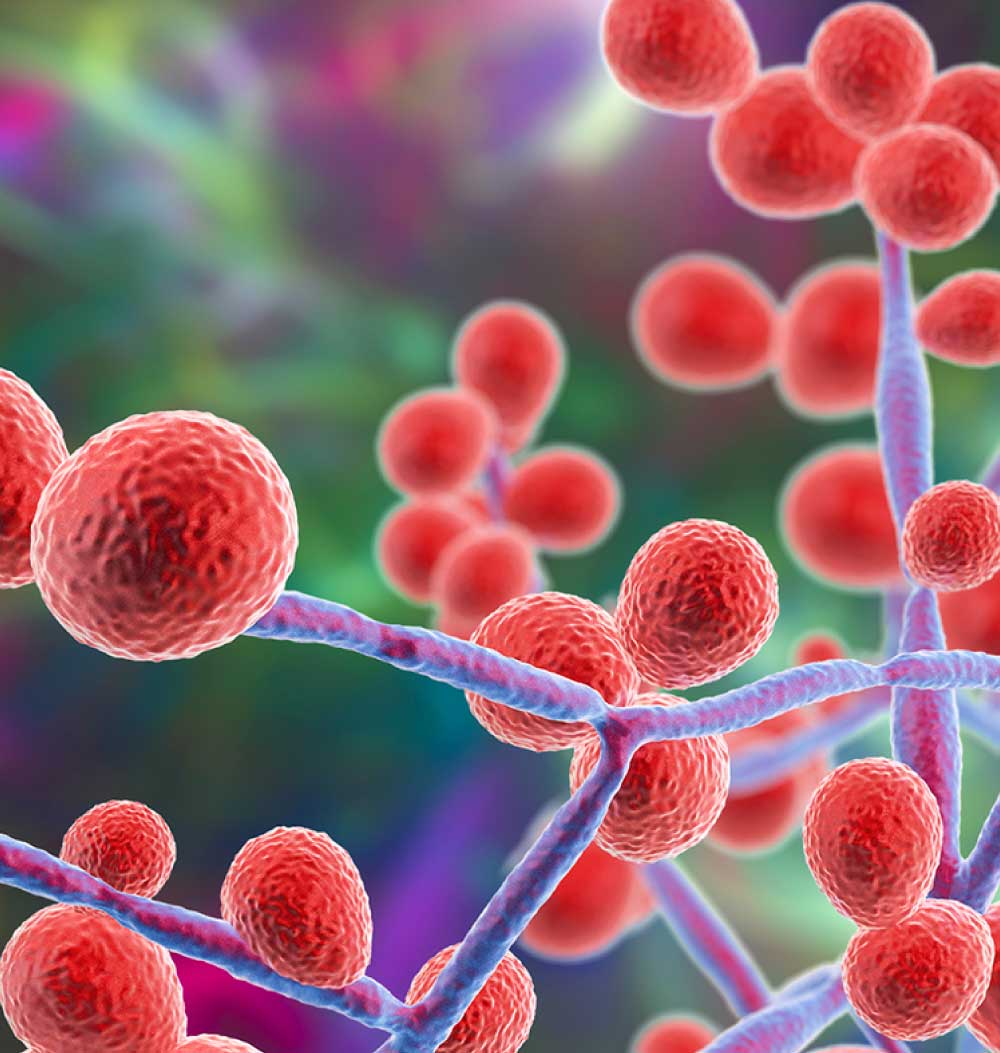
Vulvovaginal candidiasis is one of the most frequent causes of vaginal itching, irritation, burning and abnormal vaginal discharge. Although Candida albicans remains the main etiological agent, non-albicans Candida species are clinically relevant, particularly in complicated, recurrent or persistent cases.
Species-level identification can support clinical decision-making, as different Candida species may show different epidemiological patterns and antifungal susceptibility profiles. This is especially relevant for non-albicans species, such as Candida glabrata and Candida krusei, which may be associated with a reduced response to commonly used azole antifungals.
In vaginal infection workflows, Candida results should be interpreted together with symptoms, clinical findings and the possible presence of bacterial vaginosis-associated flora or Trichomonas vaginalis, as mixed infection profiles may occur.
Diagnostic strategy across Candida infection workflows
Clinical symptoms alone do not reliably differentiate vulvovaginal candidiasis from bacterial vaginosis, trichomoniasis or mixed infections. Microscopy and culture are still widely used, but molecular methods offer rapid and standardized detection of clinically relevant Candida species.
The CDC sexually transmitted infections treatment guidelines for vulvovaginal candidiasis recommend culture or PCR in complicated cases to confirm the clinical diagnosis and identify non-albicans Candida species.
Therefore, molecular detection of Candida can support laboratories in cases where rapid species-level information is useful.
Diagnostic complexity of Candida infections
Detection of vaginal Candida requires careful interpretation, as colonization and infection may overlap. A positive molecular result indicates the presence of Candida DNA, but its clinical relevance should be assessed together with symptoms, patient history and other diagnostic findings.
Identification of Candida species is particularly important in cases of recurrent, persistent or complicated vulvovaginal candidiasis. Although Candida albicans is the most frequent species, non-albicans species such as C. glabrata and C. krusei may be associated with a reduced response to commonly used azole antifungals, making species-level information useful for clinical decision-making.
Mixed vaginal infection profiles may also occur. Candida species can be detected together with bacterial vaginosis-associated flora or Trichomonas vaginalis, so results should be interpreted within the full vaginosis/vaginitis diagnostic context rather than as isolated findings.
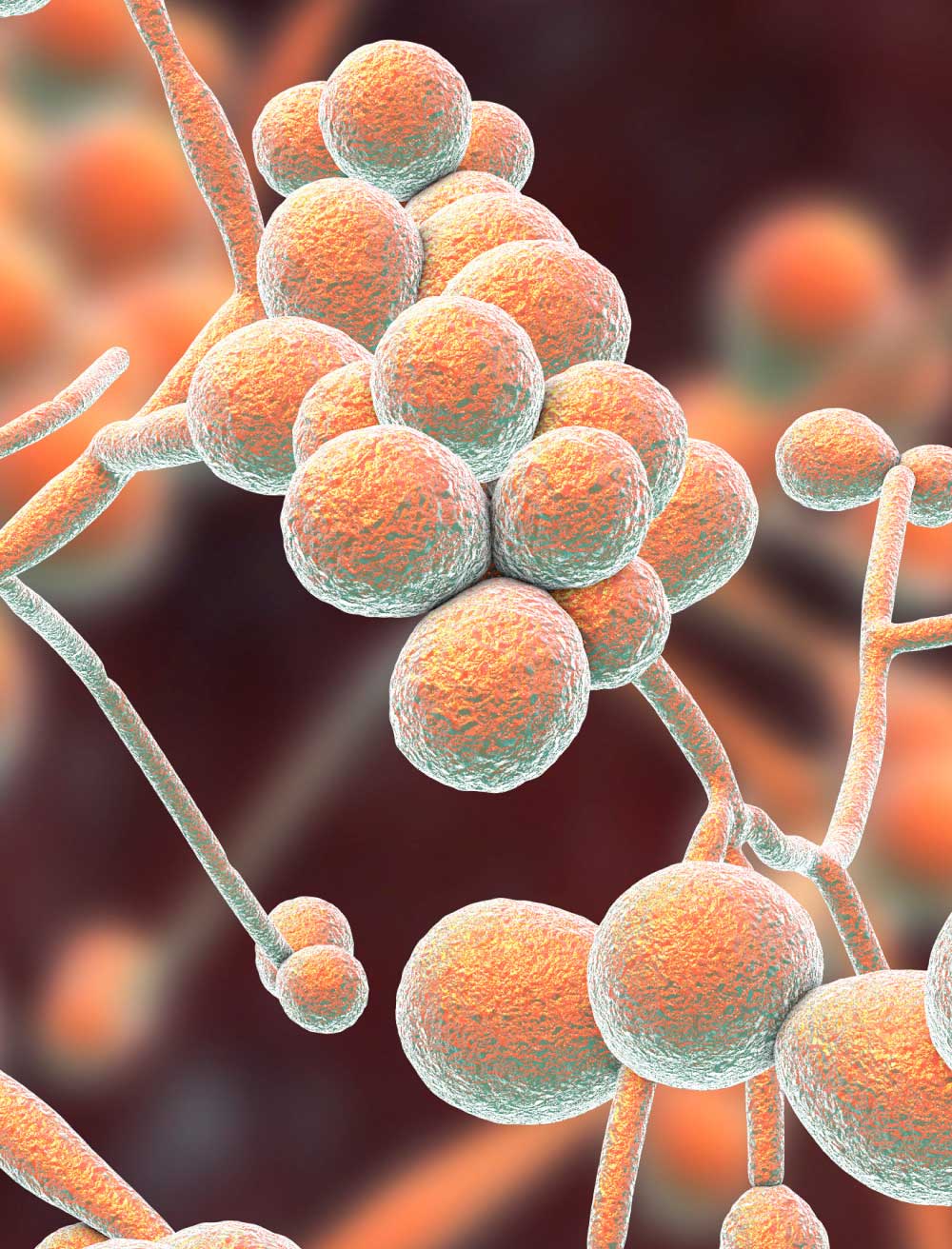
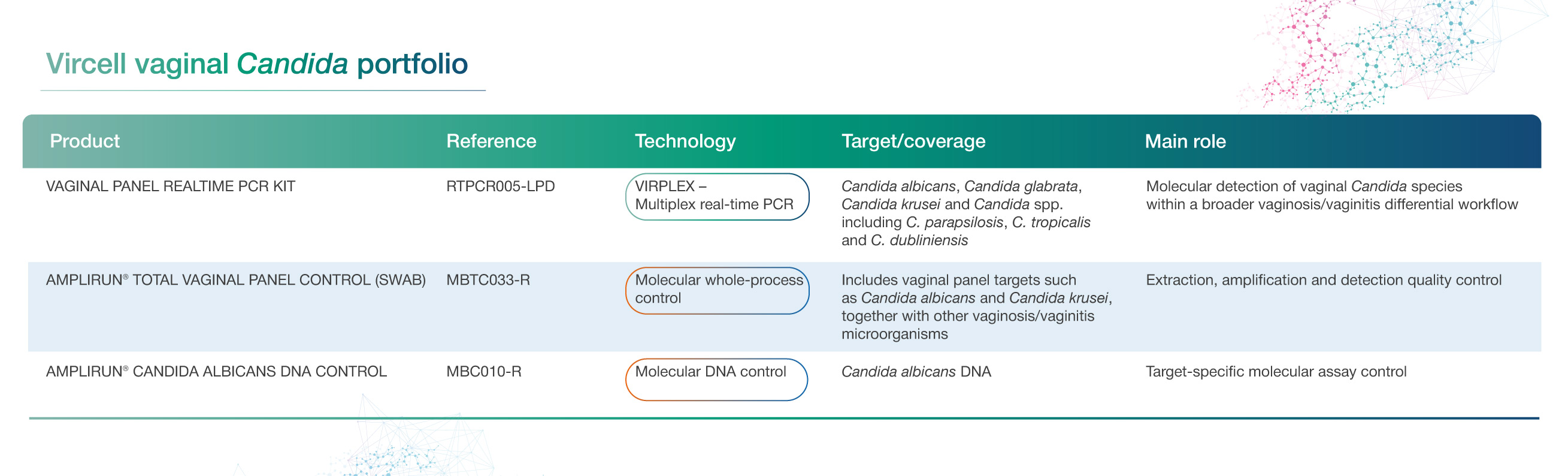
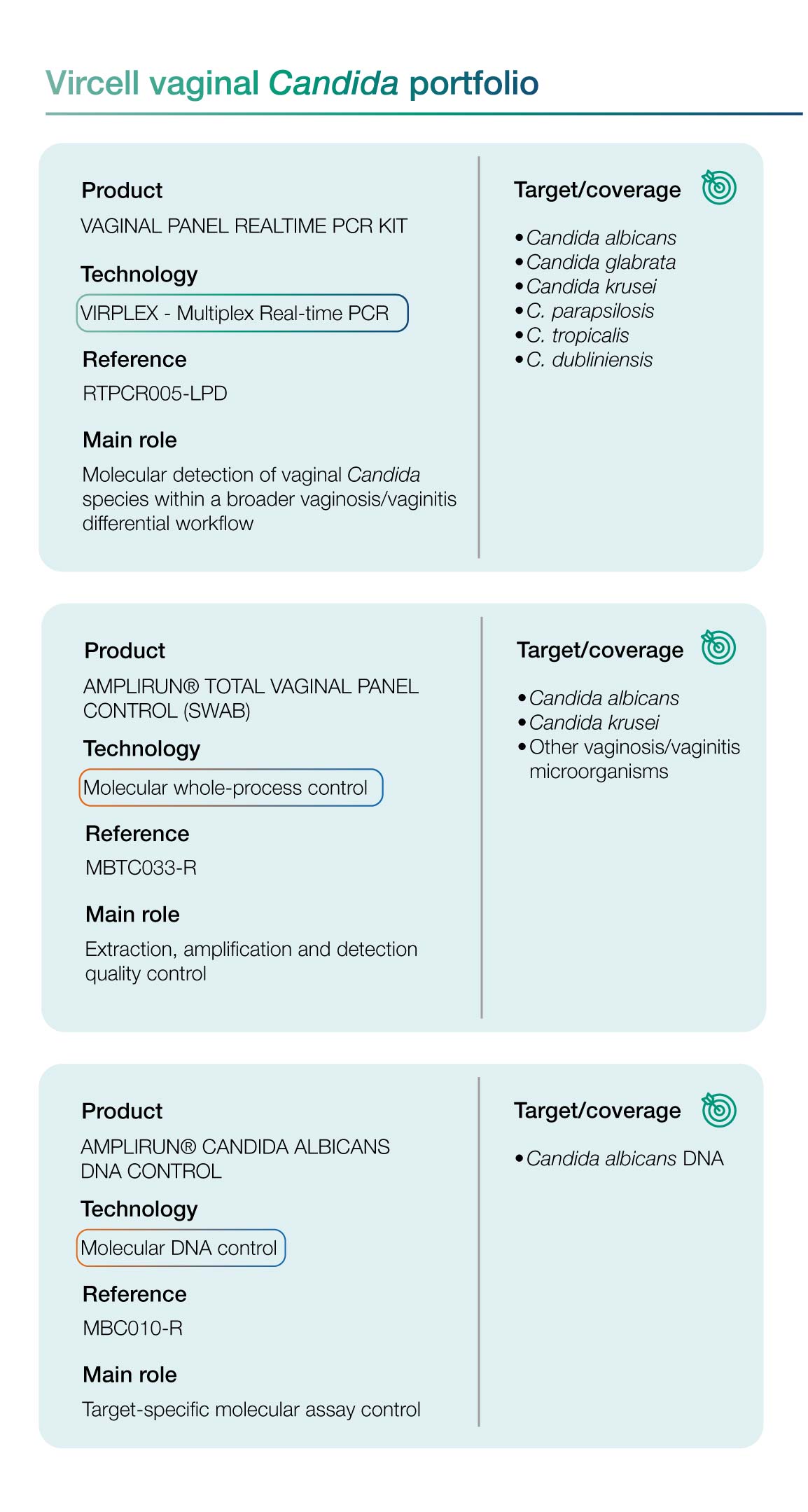
The VAGINAL PANEL REALTIME PCR KIT supports this approach by detecting Candida albicans, Candida glabrata, Candida krusei and Candida spp. within the same workflow as bacterial vaginosis markers and Trichomonas vaginalis.
VAGINAL PANEL REALTIME PCR KIT
VAGINAL PANEL REALTIME PCR KIT is a multiplex real-time PCR assay for the qualitative detection of microorganisms associated with vaginosis and vaginitis in human vaginal swabs.
For vaginal Candida detection, the assay includes:
Candida albicans
Candida glabrata
Candida krusei
Candida spp., including C. parapsilosis, C. tropicalis and C. dubliniensis
The assay supports simultaneous detection of Candida species together with bacterial vaginosis markers and Trichomonas vaginalis, helping laboratories interpret Candida findings within the broader context of vaginal infection diagnosis.
Key benefits of VAGINAL PANEL REALTIME PCR KIT
Differential detection of vaginal Candida species

Detection of Candida albicans, Candida glabrata, Candida krusei and grouped Candida spp.
Integrated molecular panel
Integration within a broader vaginosis/vaginitis molecular panel.
Diagnosis within the vaginal infection context
Detection of Candida species together with bacterial vaginosis markers and Trichomonas vaginalis.
Support for complex or recurrent cases
Useful support for complicated, recurrent or persistent vaginal infection workflows.
Compatible quality controls
Compatible molecular controls available for quality assurance.
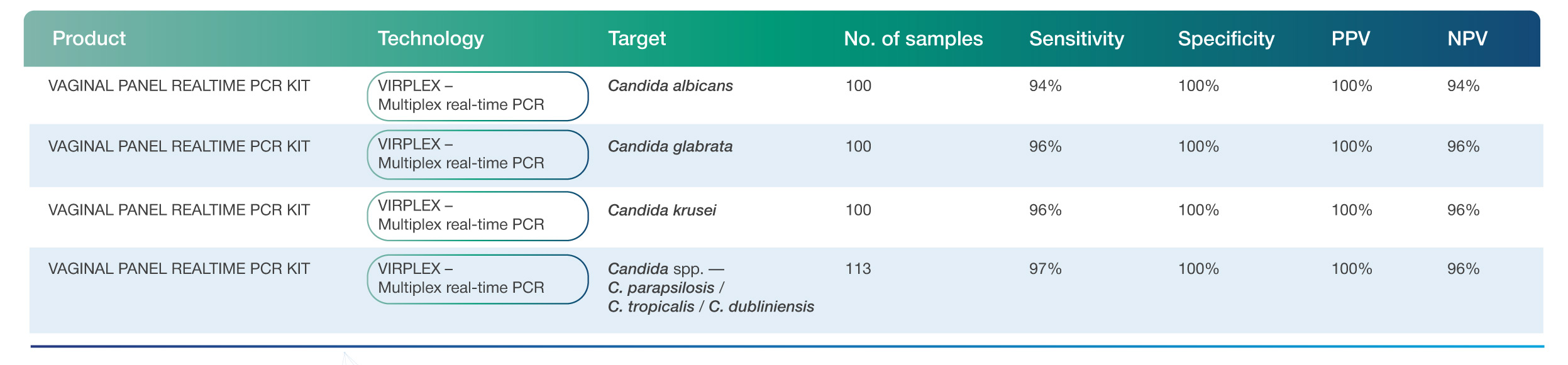
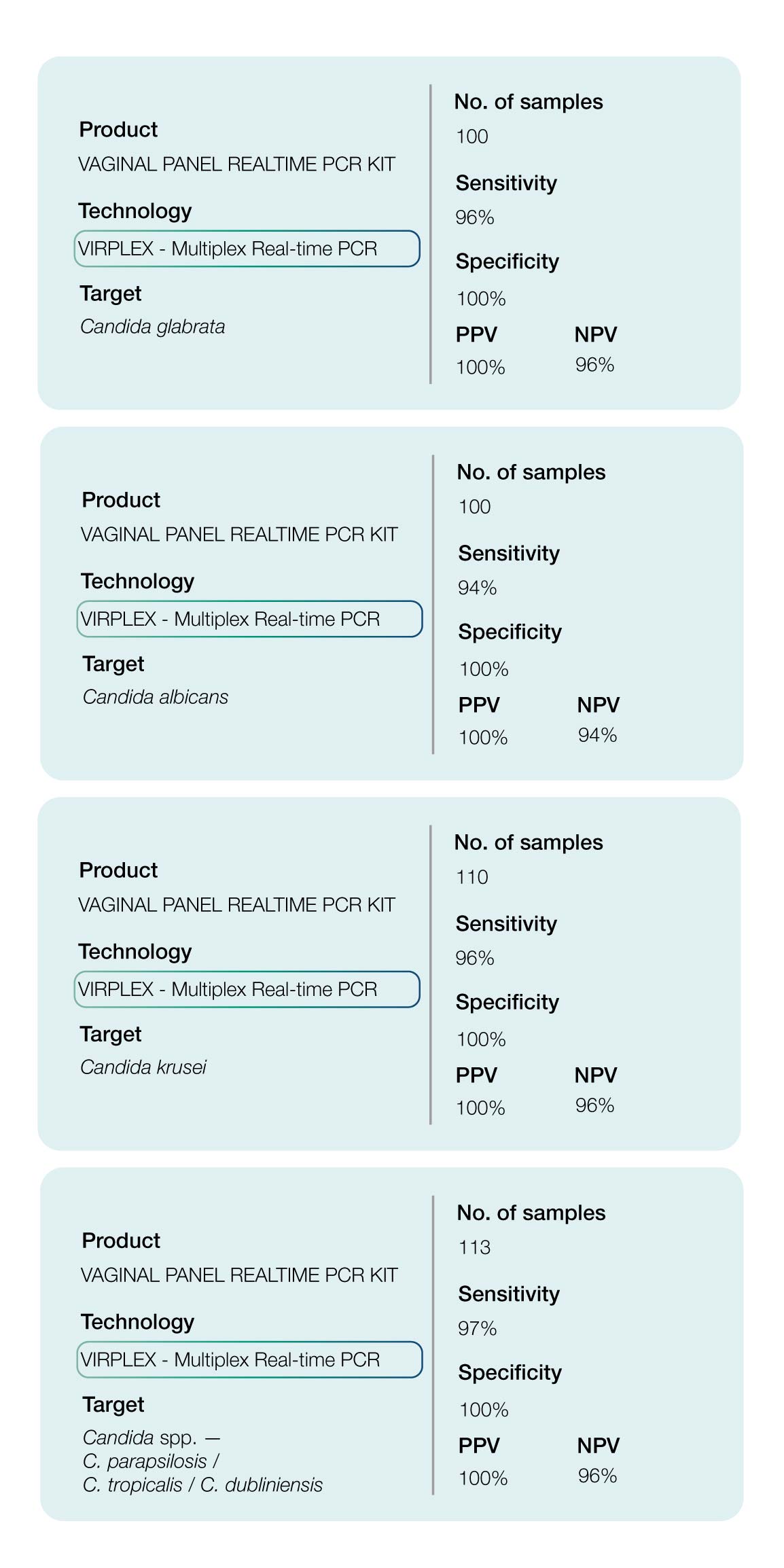
Summary performance
Summary performance
Analytical sensitivity
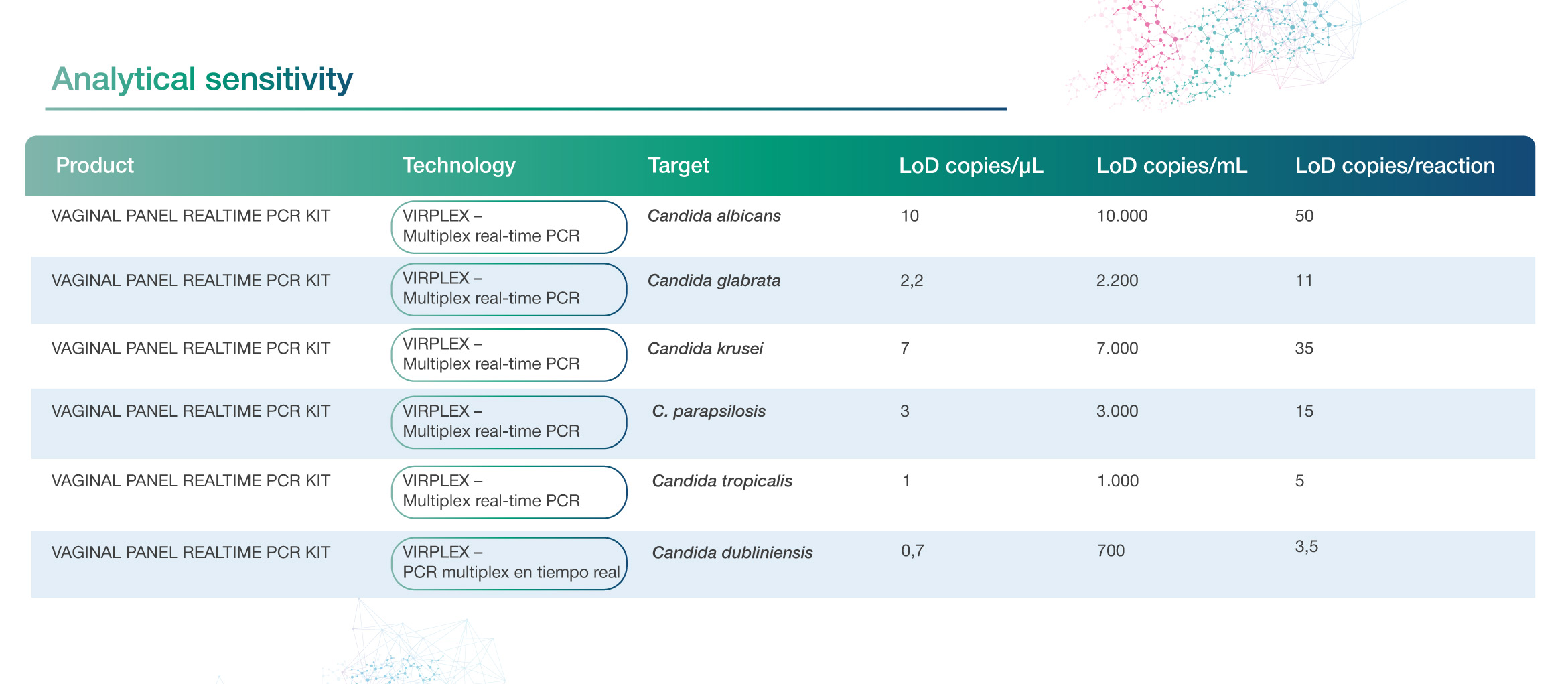
Analytical sensitivity

Need support with vaginal Candida molecular testing?
Vircell provides molecular solutions and controls designed to support standardized and clinically relevant detection of vaginal Candida species within broader vaginosis and vaginitis workflows.