
Background
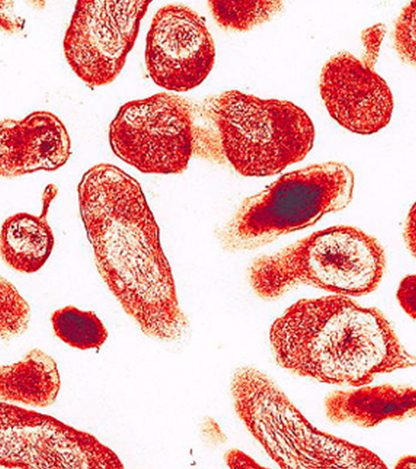
Q fever is a worldwide zoonotic disease caused by Coxiella burnetii, a highly infectious intracellular bacterium. Domestic ruminants, especially goats, sheep and cattle, are the main reservoirs, and human infection usually occurs through inhalation of contaminated aerosols or dust from infected animals or environments.
Acute infection is often non-specific and may present as a febrile illness, atypical pneumonia or hepatitis, which means it can easily be overlooked or confused with other respiratory, febrile or hepatic infections. In some patients, particularly those with heart valve disease or vascular abnormalities, the infection may progress to chronic or persistent focal forms, making accurate diagnosis especially important.
Because isolation of the microorganism is difficult and requires specialised biosafety conditions, serology remains the main diagnostic tool. In this context, interpretation of the different markers is essential: Phase II antibodies are mainly associated with acute infection, whereas high Phase I IgG titres are more suggestive of chronic or persistent infection. Other markers, such as IgM or IgA, may provide additional information depending on the clinical context.
Product features
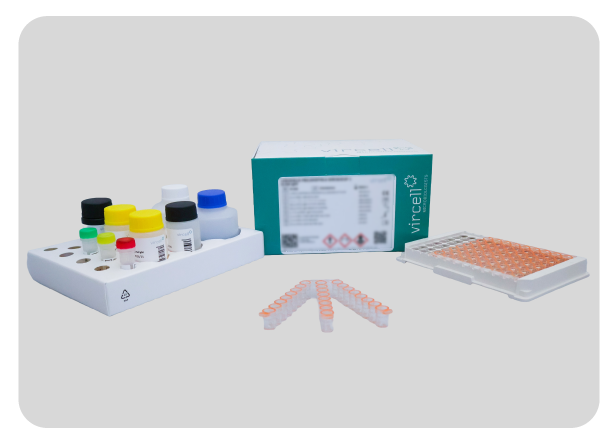
- High-performance ELISA kits with guaranteed stability and lyophilized conjugates when necessary.
- Simple workflow with no sample pre-dilution required for most assays.
- Colour-coded, ready-to-use liquid reagents and individual break-apart wells for flexible use.
- Samples and controls are processed under equivalent conditions to help compensate pipetting variability.
- Suitable for manual processing and compatible with automated ELISA systems.
Diagnostic recommendations
Results should always be interpreted in the context of the patient’s clinical presentation, epidemiological exposure, immune status, stage of infection and any other relevant diagnostic findings. The diagnosis of Coxiella burnetii infection should never be based on a single laboratory result.
Serology may be negative during the early stages of acute infection, as antibodies are not always detectable during the first 1–2 weeks of illness. If the first sample is collected early and the result is negative, a second sample should be obtained 14–21 days later and tested in parallel with the first sample to assess possible seroconversion. IgM results should not be interpreted in isolation, as these antibodies may persist for months after infection and may occasionally show non-specific reactivity. In general, IgG-based interpretation is more informative for the diagnosis and follow-up of Q fever, especially when phase-specific serological patterns are available.
A single positive antibody result may reflect recent infection, past exposure, background seropositivity or non-specific reactivity. In cases of suspected chronic Q fever or persistent focal infection, high Phase I IgG titres may support the diagnostic suspicion, although serology alone is not sufficient to establish this diagnosis. Chronic Q fever requires compatible clinical findings together with evidence of a persistent focus, such as endocarditis, vascular infection or other focal manifestations. In these contexts, IgM is usually not detectable.
PCR is especially useful during the early phase of acute infection, before seroconversion. However, a negative PCR result does not exclude Q fever, especially after seroconversion or following antibiotic treatment. Serological cross-reactions may also occur with other microorganisms, such as Legionella, Bartonella, Ehrlichia and Rickettsia species; therefore, results should always be interpreted with caution in the appropriate clinical context.
Special attention is required in certain patient groups. In immunocompromised individuals, the antibody response may be weak, delayed or atypical, and negative serology does not always exclude infection. In neonates, IgG results should be interpreted with caution, as maternal IgG may have been passively transferred before birth. Finally, the reliability of results also depends on appropriate sample collection, transport, storage and processing.
PRODUCTS
COXIELLA BURNETII ELISA IgG
Analytes: Coxiella burnetii
COXIELLA BURNETII ELISA IgM
Analytes: Coxiella burnetii
MORE RESOURCES

Related germs and organisms categorized for this product line.

Downloadable PDF materials, brochures, and technical documents.



The latest insights, news, and research articles from our scientific team.

Understanding the complexity of vaginal infectionsVaginal infections are among the most frequent reasons for gynecological consultation, but their dia...

Beyond detection: H. pylori testing in today’s laboratory workflow
Helicobacter pylori remains a highly relevant target in gastrointestinal diagnostics. It is a familiar pathogen, but its clinical importance has not d...

Aspergillus galactomannan: a practical biomarker for invasive aspergillosis diagnosis
Invasive aspergillosis is still one of the most difficult fungal infections to diagnose early. It mainly affects patients with weakened immune systems...

Scientific bibliography and references related to this product.