
Background on Helicobacter pylori
Helicobacter pylori (H. pylori) is a Gram-negative bacterium that colonizes the gastric mucosa and represents one of the most common chronic bacterial infections worldwide, with an estimated global prevalence of approximately 50%. Persistent infection has been associated with chronic gastritis, peptic ulcer disease, MALT lymphoma, and gastric adenocarcinoma. For this reason, the International Agency for Research on Cancer (IARC) of the World Health Organization (WHO) classifies H. pylori as a Group 1 carcinogen, and screening and eradication strategies are considered important measures for preventing gastric cancer.
Early diagnosis and post-treatment follow-up are essential to reduce complications and confirm eradication. Among non-invasive diagnostic methods, the detection of H. pylori stool antigen enables the identification of active infection and is widely used as a practical alternative to invasive procedures such as endoscopic biopsy.

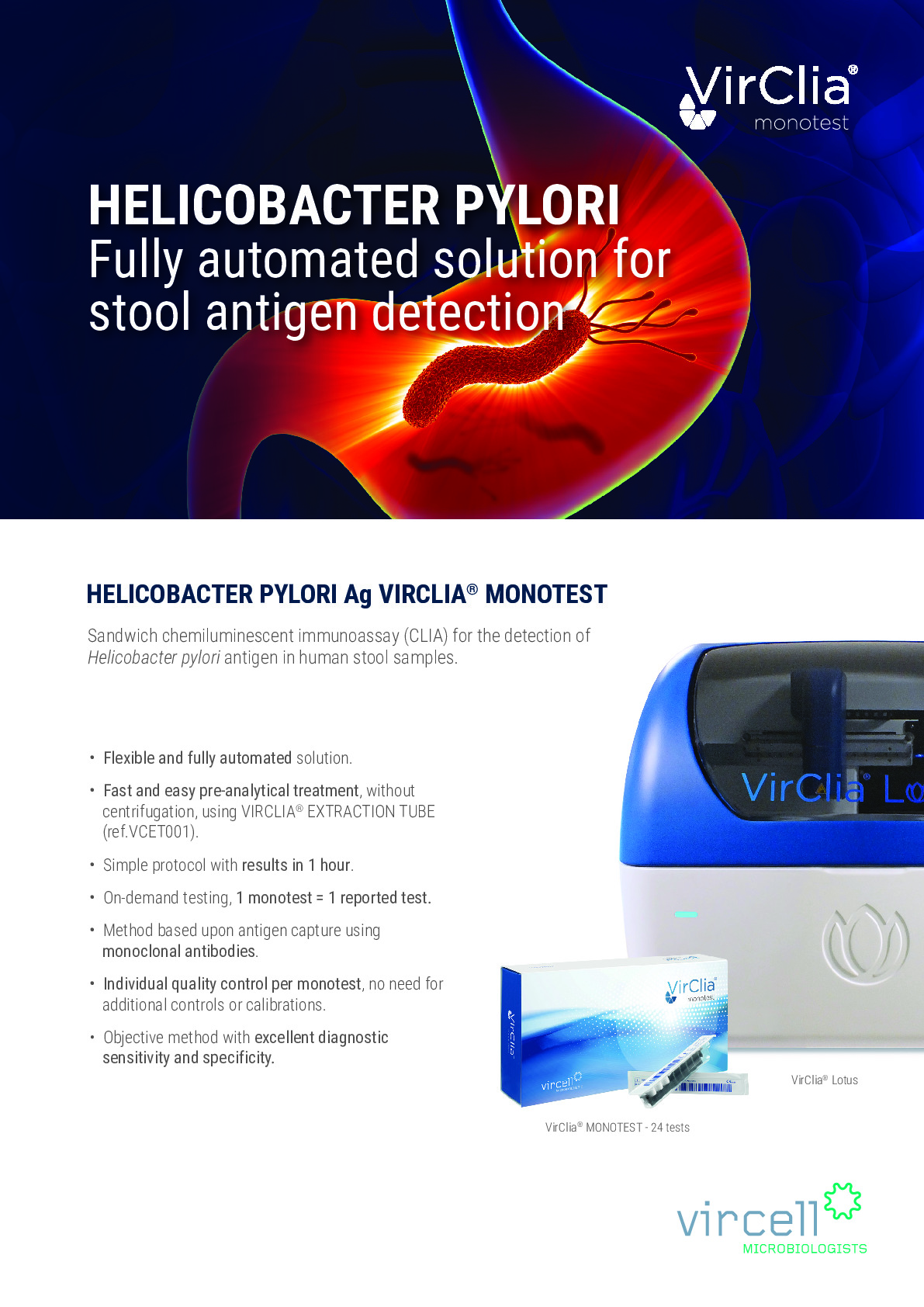
Sandwich chemiluminescent immunoassay (CLIA) for the detection of Helicobacter pylori antigen in human stool samples.
Flexible and fully automated solution.
Fast and easy pre-analytical treatment, without centrifugation.
Simple protocol with results in 1 hour.
Method based upon antigen capture using monoclonal antibodies.
Individual quality control per monotest, no need for additional controls or calibrations.
Objective method with excellent diagnostic sensitivity and specificity.
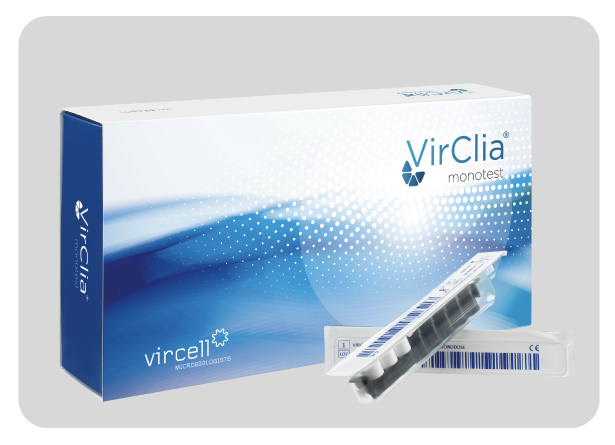
Diagnostic Recommendations
Helicobacter pylori stool antigen testing
- Results should be interpreted together with symptoms, clinical history, medication use, previous eradication therapy and other diagnostic procedures.
- A positive stool antigen result supports detection of H. pylori antigen and is compatible with active infection.
- A negative result does not fully exclude infection if antigen levels are below the limit of detection, the sample was not collected, stored or homogenized correctly, or testing was performed under conditions that reduce antigen detection.
- Recent use of antibiotics, proton pump inhibitors, potassium-competitive acid blockers or bismuth-containing products may reduce H. pylori detection and lead to false-negative results.
- Stool antigen testing can be used as a non-invasive method to support initial diagnosis and to confirm eradication after treatment.
- Confirmation of eradication should generally be performed at least 4 weeks after treatment, after stopping PPIs or potassium-competitive acid blockers for at least 2 weeks, and antibiotics or bismuth for at least 4 weeks, when clinically feasible.
- A positive result after treatment suggests persistent infection or treatment failure, but should be interpreted according to timing of testing, medication exposure and clinical context.
- The assay detects H. pylori antigen and does not provide antimicrobial susceptibility information. Culture or molecular resistance testing may be required when susceptibility information is needed.
- A positive result does not rule out other gastrointestinal conditions, co-infections or alternative causes of symptoms. Further investigation may be required according to age, alarm symptoms, risk factors and local clinical algorithms.
- Invalid or inconclusive results should be repeated according to the laboratory procedure. If poor sample quality, incorrect storage or interference is suspected, a new stool sample should be considered.
Sources
- Chey WD, Howden CW, Moss SF, Morgan DR, Greer KB, Grover S, et al. ACG Clinical Guideline: Treatment of Helicobacter pylori Infection. Am J Gastroenterol. 2024;119(9):1730-1753. doi:10.14309/ajg.0000000000002968.
- Malfertheiner P, Megraud F, Rokkas T, Gisbert JP, Liou JM, Schulz C, et al. Management of Helicobacter pylori infection: the Maastricht VI/Florence consensus report. Gut. 2022;71(9):1724-1762. doi:10.1136/gutjnl-2022-327745.
- World Gastroenterology Organisation. Helicobacter pylori guideline. Milwaukee: World Gastroenterology Organisation; 2021. Available from: https://www.worldgastroenterology.org/guidelines/helicobacter-pylori
PRODUCTS
HELICOBACTER PYLORI Ag VIRCLIA® MONOTEST
Analytes: Helicobacter pylori
VIRCLIA® EXTRACTION TUBE
USED ON
VIRCLIA® LOTUS
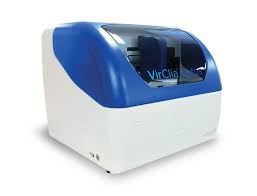
Una plataforma CLIA compacta y automatizada para los análisis VirClia® de enfermedades infecciosas, que combina la flexibilidad del formato monotest listo para usar con la eficiencia del acceso aleatorio continuo.
MORE RESOURCES

Related germs and organisms categorized for this product line.

Downloadable PDF materials, brochures, and technical documents.

The latest insights, news, and research articles from our scientific team.

Understanding the complexity of vaginal infectionsVaginal infections are among the most frequent reasons for gynecological consultation, but their dia...

Beyond detection: H. pylori testing in today’s laboratory workflow
Helicobacter pylori remains a highly relevant target in gastrointestinal diagnostics. It is a familiar pathogen, but its clinical importance has not d...

Aspergillus galactomannan: a practical biomarker for invasive aspergillosis diagnosis
Invasive aspergillosis is still one of the most difficult fungal infections to diagnose early. It mainly affects patients with weakened immune systems...

Scientific bibliography and references related to this product.