Background
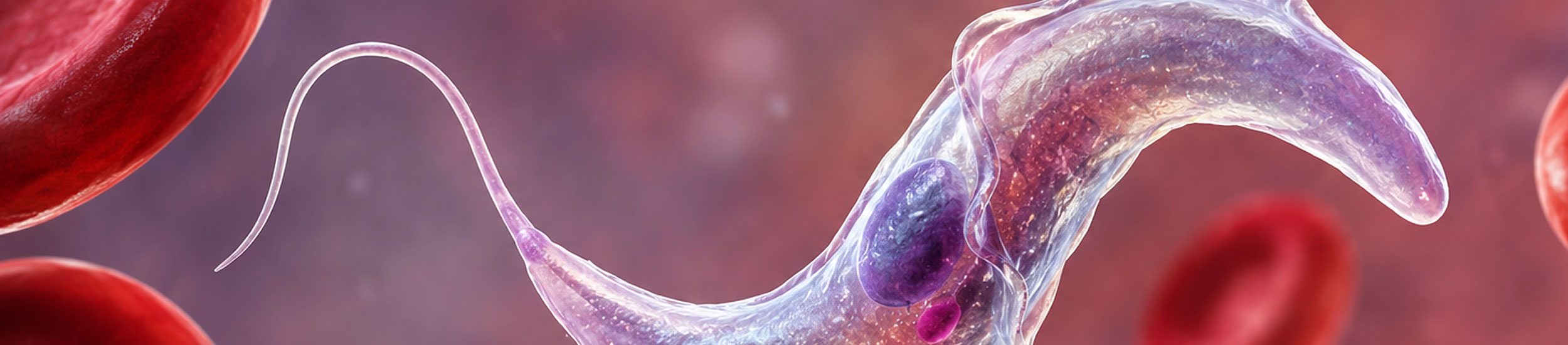
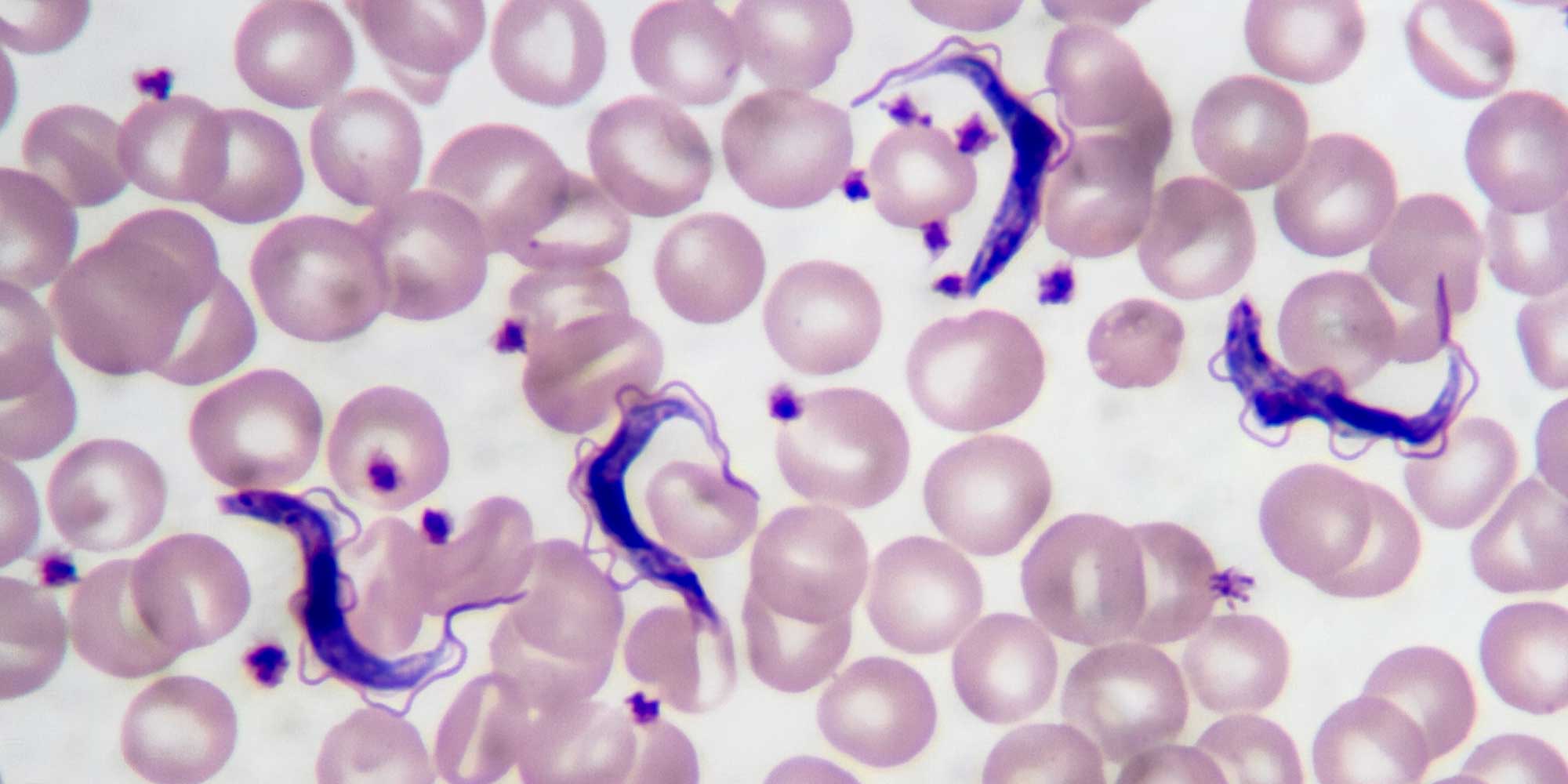
Chagas disease is caused by Trypanosoma cruzi and has traditionally been considered an endemic infection in Latin America. However, its impact now extends beyond this region due to increasing global population mobility.
The infection has an acute phase, which is often mild or may even go unnoticed, and a silent chronic phase that can last for years. In some patients, this chronic phase may eventually be associated with severe cardiac or gastrointestinal complications.
For these reasons, reliable serological testing is essential to identify infected patients, prevent transmission, and support clinical follow-up.
Product features
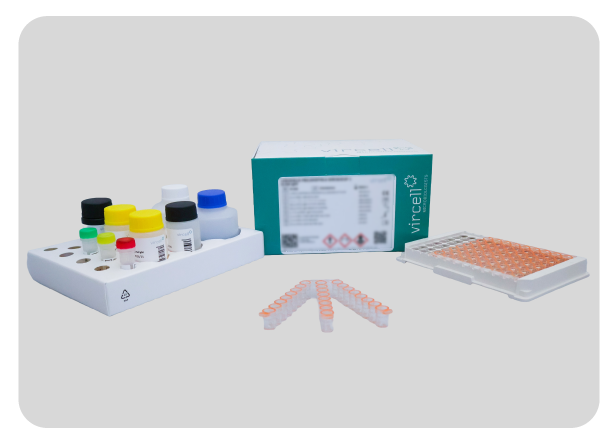
- High-performance ELISA kits with guaranteed stability and lyophilized conjugates when necessary.
- Simple workflow with no sample pre-dilution required for most assays.
- Colour-coded, ready-to-use liquid reagents and individual break-apart wells for flexible use.
- Samples and controls are processed under equivalent conditions to help compensate pipetting variability.
- Suitable for manual processing and compatible with automated ELISA systems.
Diagnostic recommendations
Results should always be interpreted together with clinical evaluation, epidemiological background, risk factors, immune status, and other diagnostic procedures.
Serological assays are the main diagnostic tools for chronic Chagas disease, where parasitemia is usually low and intermittent. However, serology does not indicate parasite load, disease stage, organ involvement, or clinical severity.
No single serological test should be considered definitive on its own for Chagas disease diagnosis. Confirmation should be based on at least two serological assays using different antigenic compositions or different methodologies.
A reactive result with CHAGAS immunoassays based on recombinant antigens, should ideally be confirmed with a complementary assay based on a different antigenic principle, such as CHAGAS TESA VIRCLIA® IgG+IgM MONOTEST or CHAGAS IFA IgG+IgM.
In samples with discrepant or inconclusive results between recombinant antigen-based assays and native antigen-based assays, a third serological method should be used to support final interpretation.
Immunofluorescence assays such as CHAGAS IFA IgG+IgM may be useful as a complementary native antigen assay, but immunofluorescence interpretation can be more subjective than automated CLIA or ELISA methods and requires trained personnel.
In suspected acute infection, congenital infection, or reactivation in immunocompromised patients, direct diagnostic methods such as microscopy or PCR should be considered, since circulating parasites may be detectable.
Cross-reactions with other parasitic infections, particularly in patients from endemic areas, should be considered when interpreting positive or borderline serological results.
In immunocompromised patients, antibody responses may be atypical, weak, delayed, or difficult to interpret. Negative or borderline serological results should therefore be assessed with caution.
In newborns or infants born to infected mothers, IgG-based serological results must be interpreted carefully because maternal IgG antibodies can be passively transferred. Congenital infection should be evaluated according to specific diagnostic algorithms.
IgG+IgM combined assays detect antibodies against Trypanosoma cruzi, but they do not by themselves distinguish acute, chronic, congenital, or reactivated infection.
TESA-based assays may be useful for patient follow-up because antibody levels against these antigens may correlate with treatment response; however, serological changes after treatment may be slow and should not be used as the only criterion of cure.
PRODUCTS
CHAGAS ELISA IgG+IgM
Analytes: Trypanosoma cruzi
CHAGAS TESA ELISA IgG+IgM
Analytes: Trypanosoma cruzi
MORE RESOURCES

Related germs and organisms categorized for this product line.

Downloadable PDF materials, brochures, and technical documents.

The latest insights, news, and research articles from our scientific team.

Understanding the complexity of vaginal infectionsVaginal infections are among the most frequent reasons for gynecological consultation, but their dia...

Beyond detection: H. pylori testing in today’s laboratory workflow
Helicobacter pylori remains a highly relevant target in gastrointestinal diagnostics. It is a familiar pathogen, but its clinical importance has not d...

Aspergillus galactomannan: a practical biomarker for invasive aspergillosis diagnosis
Invasive aspergillosis is still one of the most difficult fungal infections to diagnose early. It mainly affects patients with weakened immune systems...

Scientific bibliography and references related to this product.