
Background
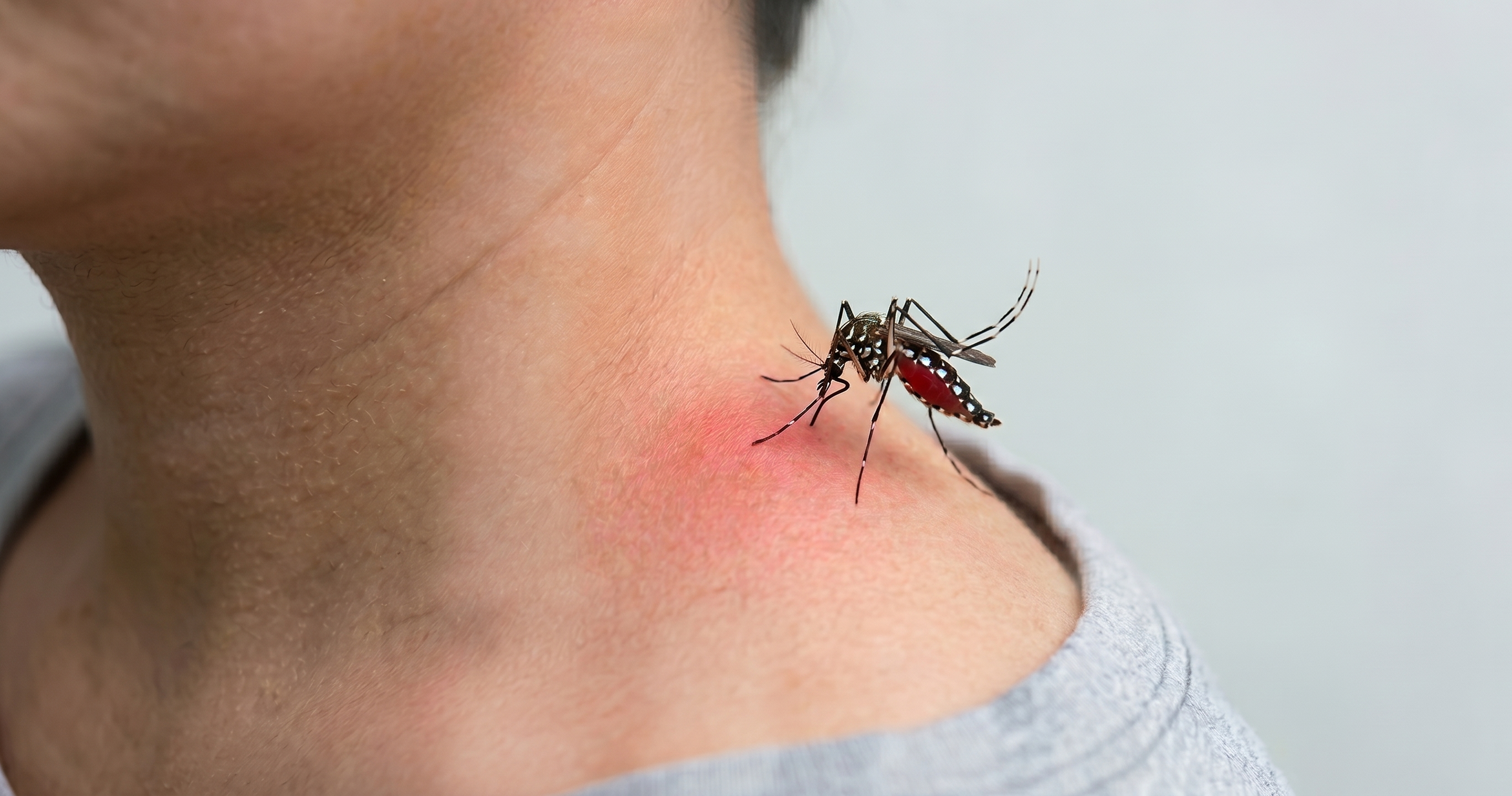
Dengue is a viral disease caused by the dengue virus, of which four different serotypes have been described. It is mainly transmitted by mosquitoes of the Aedes genus. Traditionally associated with tropical and subtropical regions, dengue remains a major public health challenge due to its wide circulation and the variety of ways in which it can present.
The infection can range from a non-specific febrile illness to severe and potentially life-threatening haemorrhagic forms. It usually begins abruptly with fever, headache, nausea, myalgia, arthralgia or rash, and progresses through different clinical phases. Although many cases are mild, some patients may develop more severe forms, especially in secondary infections or in the presence of certain risk factors.
In this context, timely diagnosis is essential. IgM and IgG ELISA assays have become standard methods for the serological analysis of dengue, as they are simple, reliable techniques suitable for the routine processing of a large number of samples.
Product features
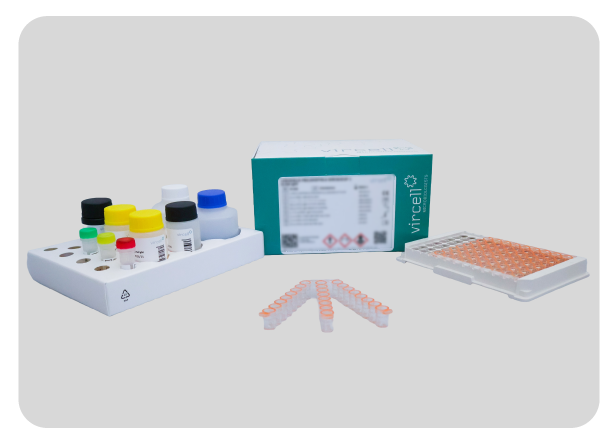
Assays based on the indirect ELISA method, where antibodies present in the sample react with antigens bound to the surface of the wells. Products identified as CAPTURE use µ-Capture technology for IgM detection.
- Direct in-well sample dilution and equivalent processing of samples and controls to help compensate pipetting variability.
- Colour-coded, ready-to-use liquid reagents and individual break-apart wells.
- Suitable for manual processing and compatible with automated ELISA systems.
Diagnostic recommendations
Dengue is a viral disease caused by the dengue virus, of which four different serotypes have been described. It is mainly transmitted by mosquitoes of the Aedes genus. Traditionally associated with tropical and subtropical regions, dengue remains a major public health challenge due to its wide circulation and the variety of ways in which it can present.
The infection can range from a non-specific febrile illness to severe and potentially life-threatening haemorrhagic forms. It usually begins abruptly with fever, headache, nausea, myalgia, arthralgia or rash, and progresses through different clinical phases. Although many cases are mild, some patients may develop more severe forms, especially in secondary infections or in the presence of certain risk factors.
In this context, timely diagnosis is essential. IgM and IgG ELISA assays have become standard methods for the serological analysis of dengue, as they are simple, reliable techniques suitable for the routine processing of a large number of samples.
PRODUCTS
DENGUE ELISA IgG
Analytes: Dengue
DENGUE ELISA IgM CAPTURE
Analytes: Dengue
MORE RESOURCES

Related germs and organisms categorized for this product line.

Downloadable PDF materials, brochures, and technical documents.

The latest insights, news, and research articles from our scientific team.

Understanding the complexity of vaginal infectionsVaginal infections are among the most frequent reasons for gynecological consultation, but their dia...
Beyond detection: H. pylori testing in today’s laboratory workflow
Helicobacter pylori remains a highly relevant target in gastrointestinal diagnostics. It is a familiar pathogen, but its clinical importance has not d...

Aspergillus galactomannan: a practical biomarker for invasive aspergillosis diagnosis
Invasive aspergillosis is still one of the most difficult fungal infections to diagnose early. It mainly affects patients with weakened immune systems...

Scientific bibliography and references related to this product.