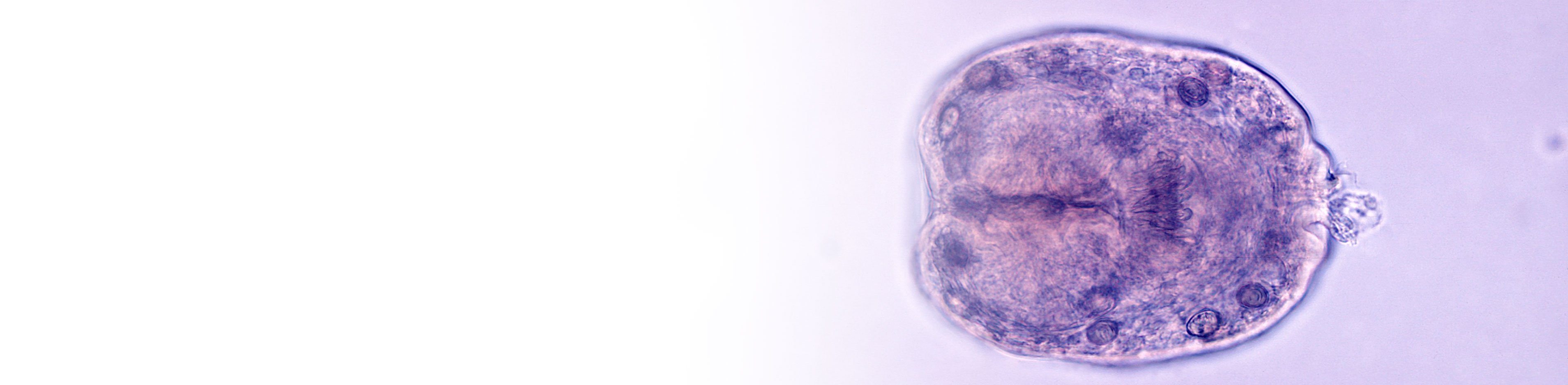
BACKGROUND
Hydatid disease is a worldwide zoonosis caused by Echinococcus granulosus, mainly associated with extensive livestock farming and endemic in regions such as North Africa, the Middle East, Southern Europe, South America and Australia.
In humans, cysts are mainly located in the liver, followed by the lungs and other organs.
Diagnosis is primarily based on imaging techniques, such as ultrasound or radiography, and clinical suspicion should be confirmed by serology. Since serological performance varies depending on the method, antigen, cyst location and number of cysts, many laboratories combine at least two serological methods to improve diagnostic accuracy.

Product features
Indirect chemiluminescent immunoassay (CLIA) to test IgG antibodies against Echinococcus granulosus in human serum or plasma samples.
- Monotest format with ready-to-use reagents.
- Simple and automated protocol, with fast results.
- Customizable configuration of samples and reagents according to laboratory needs.
- Each monotest includes a calibrator and a negative control, enabling individual validation and interpretation of each sample.
- Use of primary tubes, with no need for manual pipetting.
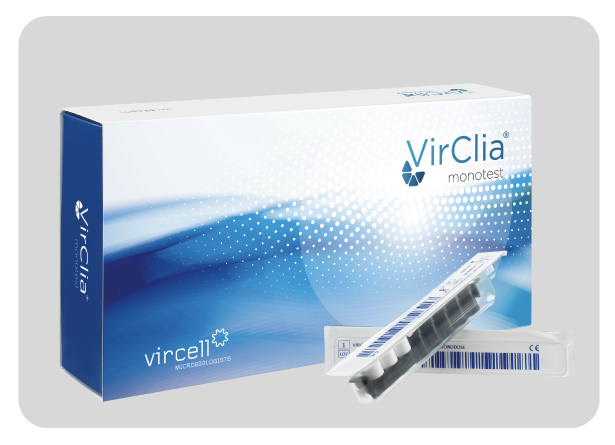
PRODUCTS
HYDATIDOSIS VIRCLIA® IgG MONOTEST
Analytes: Echinococcus granulosus
USED ON
VIRCLIA® LOTUS
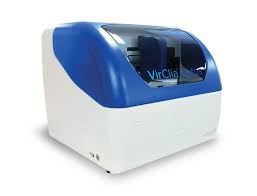
A compact automated CLIA platform for VirClia® infectious disease testing, combining ready-to-use single-test flexibility with continuous random access efficiency.
MORE RESOURCES

Related germs and organisms categorized for this product line.

Downloadable PDF materials, brochures, and technical documents.

The latest insights, news, and research articles from our scientific team.

Understanding the complexity of vaginal infectionsVaginal infections are among the most frequent reasons for gynecological consultation, but their dia...

Beyond detection: H. pylori testing in today’s laboratory workflow
Helicobacter pylori remains a highly relevant target in gastrointestinal diagnostics. It is a familiar pathogen, but its clinical importance has not d...

Aspergillus galactomannan: a practical biomarker for invasive aspergillosis diagnosis
Invasive aspergillosis is still one of the most difficult fungal infections to diagnose early. It mainly affects patients with weakened immune systems...

Scientific bibliography and references related to this product.